WXING'in Haberleri ve Yenilikleri ile Güncel Kalın.
Cold forming is a metal manufacturing process that shapes metal materials through plastic deformation at or near room temperature without melting the material. Instead of removing material through cutting or machining, this process uses pressure, dies, and forming forces to change the shape of metal while maintaining its original volume.
Compared with traditional machining methods, cold forming can significantly reduce material waste and improve production efficiency. Because the metal fibers remain continuous after forming, finished components often achieve better strength, durability, and dimensional consistency.
Common cold forming processes include extrusion, pressing, upsetting, and heading. Depending on the product design and manufacturing requirements, different forming methods can be selected to produce high-precision metal components for industries such as automotive, aerospace, electronics, and machinery.
Cold heading is a specialized type of cold forming process mainly used for producing high-volume fasteners and precision metal components. During the process, metal wire is cut into blanks and shaped through high-pressure forming dies. The material flows into the required shape without the need for extensive machining.
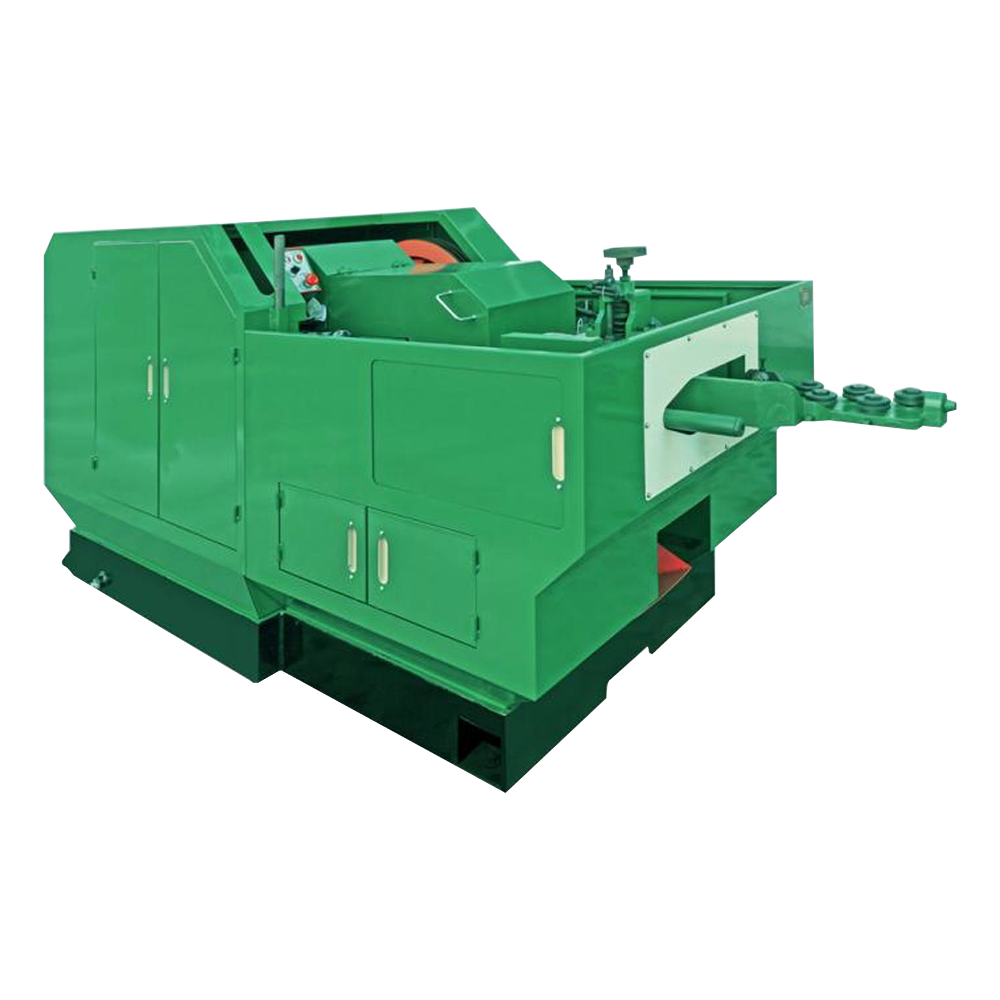
A cold heading machine is designed specifically for this process. By using multiple forming stations, the machine can complete operations such as cutting, upsetting, and shaping in a continuous production cycle. This makes cold heading highly suitable for manufacturing bolts, screws, rivets, and other fastening products.
Due to its high production efficiency, low material waste, and improved mechanical performance, cold heading technology is widely used in automotive, construction, aerospace, and industrial fastener manufacturing.
Although cold heading and cold forming are closely connected, they are not the same process.
Cold forming is the broader category that covers different metal shaping techniques, while cold heading focuses mainly on forming the heads and shapes of fasteners from wire materials.
For example, producing a bolt using a cold heading machine is considered a cold heading process. However, producing a complex automotive component through extrusion or pressing is also a cold forming process, but it is not classified as cold heading.
The simplest explanation is that cold heading is a type of cold forming process, but cold forming includes more manufacturing methods than cold heading.
Understanding this difference helps manufacturers choose the correct equipment and production method based on their product requirements.
The difference between cold heading and cold forming mainly lies in their application range, equipment requirements, and production purposes.
|
Comparison |
Cold Heading |
Cold Forming |
|
Definition |
A specialized forming process for fasteners |
A broad category of metal shaping methods |
|
Main products |
Bolts, screws, rivets, nuts, fasteners |
Automotive parts, precision components, industrial parts |
|
Equipment |
Cold heading machine / cold header |
Cold forming machine and related equipment |
|
Production focus |
High-volume standardized parts |
Various metal components with different shapes |
|
Main industries |
Fastener, automotive, construction |
Automotive, aerospace, electronics, machinery |
For companies producing large quantities of standard fasteners, cold heading is usually the better choice because it offers faster production speed and excellent material utilization.
For manufacturers requiring more complex shapes or different component designs, a wider range of cold forming processes may provide better flexibility.
The popularity of cold heading in fastener production comes from its ability to produce strong, accurate, and cost-effective components at high speed.
Unlike machining, which removes material to create a final shape, cold heading reshapes metal through controlled deformation. This helps reduce material waste and improves production efficiency.
The main advantages include:
1. High production speed for mass manufacturing
2. Lower material waste compared with machining
3. Improved strength due to metal grain flow
4. Consistent product quality and dimensions
5. Reduced manufacturing costs for large production volumes
Because of these advantages, cold heading machines are widely used in many industries.
Typical applications include:
1. Automotive fasteners, including engine bolts and wheel bolts
2. Construction fasteners for structural connections
3. Industrial screws and precision fastening components
4. Aerospace fasteners requiring high strength and reliability
Choosing the correct cold heading machine is important for achieving stable production performance and maintaining product quality.
Manufacturers should first consider:
1. Material type and wire diameter
2. Product size and complexity
3. Required production speed
4. Required precision level
Different fasteners require different forming forces, die designs, and machine configurations.
The number of forming stations is another important factor. A multi-station cold header can perform multiple operations in sequence, making it suitable for efficiently producing more complex fasteners.
Other factors such as automation level, maintenance requirements, energy consumption, and technical support should also be evaluated before purchasing equipment.
For companies planning to expand production capacity, choosing an experienced cold heading machine manufacturer can help ensure that the equipment aligns with their long-term manufacturing goals.
Cold heading and cold forming are related but different manufacturing concepts. Cold forming is a broad category of metal forming technologies, while cold heading is a specialized process mainly used for producing fasteners such as bolts, screws, and rivets.
By understanding the difference between cold heading and cold forming, manufacturers can select the right production method and equipment. For high-volume fastener production, a reliable cold heading machine provides advantages in efficiency, material savings, and product consistency.